a nursery for children and families with additional needs

Registered Charity No. 1162118


About Us

We believe that every child should be given the same opportunities to achieve their full potential, regardless of their starting point or ability.

Peter Pan Nursery is based in Sherburn in Elmet, close to Leeds and Selby.  It was set up with 50p and 2 volunteers by our Founder Gwan Sykes in 1985.  She saw the need for local families requiring respite care and support due to disability, illness and other difficulties. 

We're a registered charity, governed by an amazing board of voluntary Trustees.  

We have a small team of qualified, experienced staff who are supported by our dedicated volunteers.

Places are available for funded children but where funding is not in place, our current charge is £28 per child, per session.  There are no additional hidden charges.  Your child will need to bring their own cold pack-up for lunch!  You will also need to provide nappies for your child.

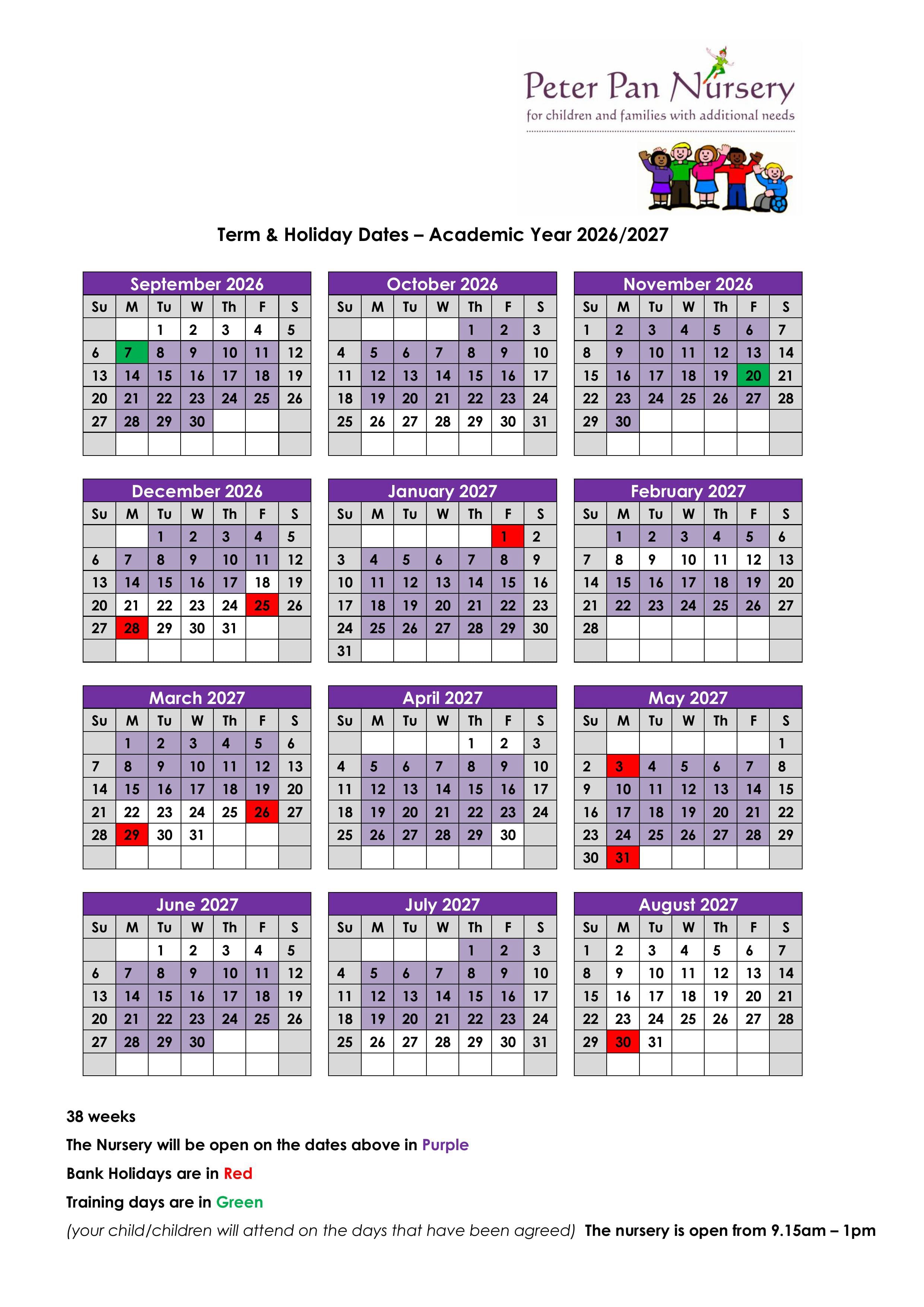
Our sessions are 9.15am - 1pm. term time only.  


Mobirise

Our Nursery

Mobirise Website Builder

More about us

How we help

We are committed to supporting our families, ensuring that we work in partnership with parents/carers and value their involvement, working together to achieve the best outcome for every child.

We plan for each child using SMART targets to help achieve new skills and work alongside other professionals or agencies who may be involved.

We provide a warm, stimulating, safe environment in which children can thrive.

Who we care for

Places are available for children with additional needs, disabilities, illness, behaviour issues etc. 

We also support children who are typically developing, whose families are experiencing difficulties due to mental health, illness, disability, social care involvement, looked after children or where the family are in need of respite care and support.

Children are referred to us by a healthcare professional, although self referrals are considered.  This is to ensure we're supporting the families who need us the most.

For further support and advice on this, please contact our Nursery Manager to discuss your child's individual needs.

The Early Years
Foundation Stage

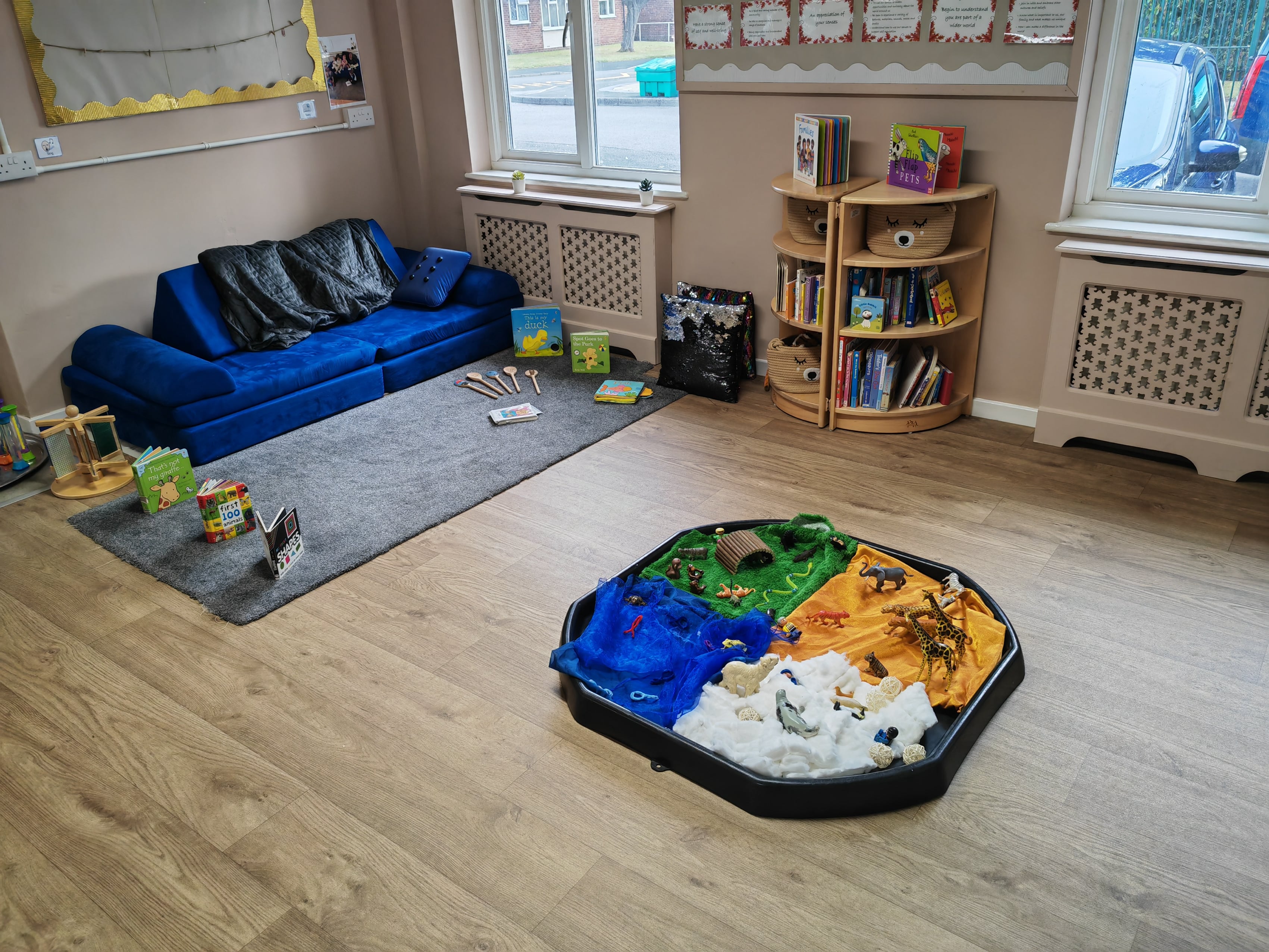
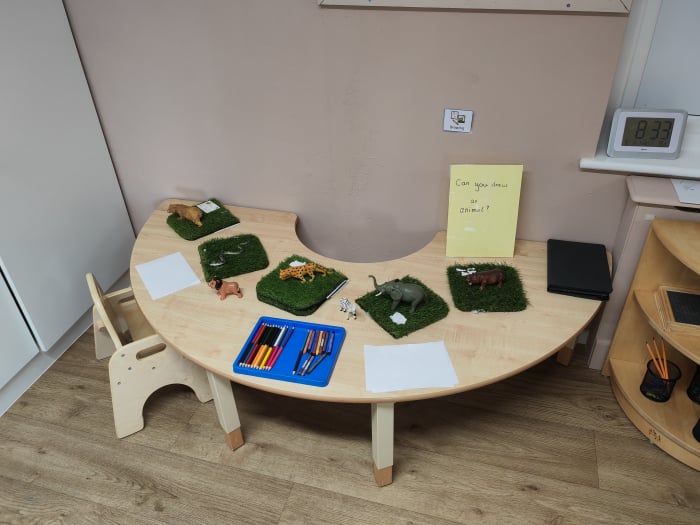
Play is a natural way for young people to learn.  We promote a play-based approach where children have the opportunity to develop their skills and abilities through interacting with a wide range of resources and activities both indoors and out.

We encourage children to explore and investigate the world around them and promote their ongoing creativity, curiosity, learning and thinking providing the right support needed at the right time.


Facilities

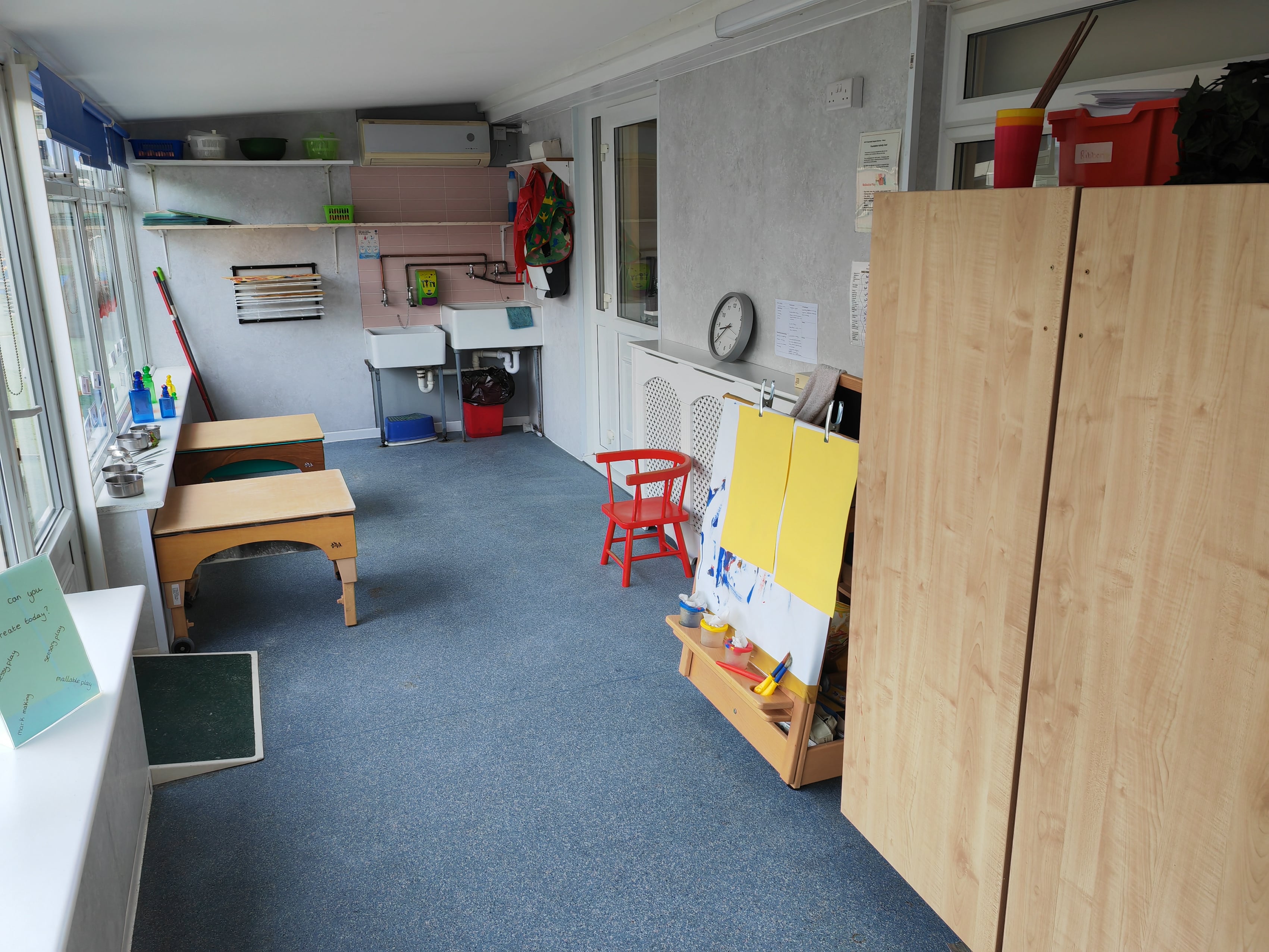
We ensure our nursery is well maintained at all times and we are extremely lucky to have the equipment and facilities we have.

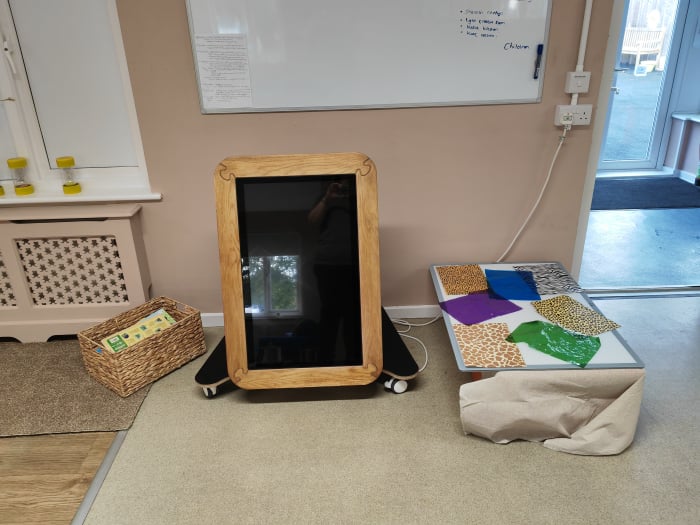
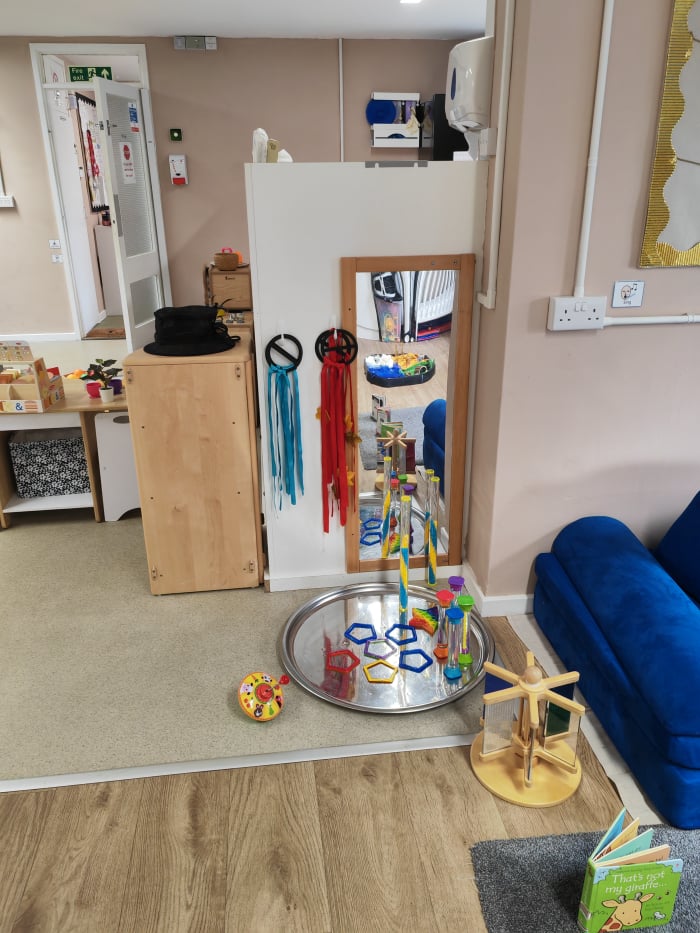
We have a well stocked supply of toys that cover the seven areas of learning. We limit the number of toys available per session to avoid over-stimulating some of our children who are neuro diverse.

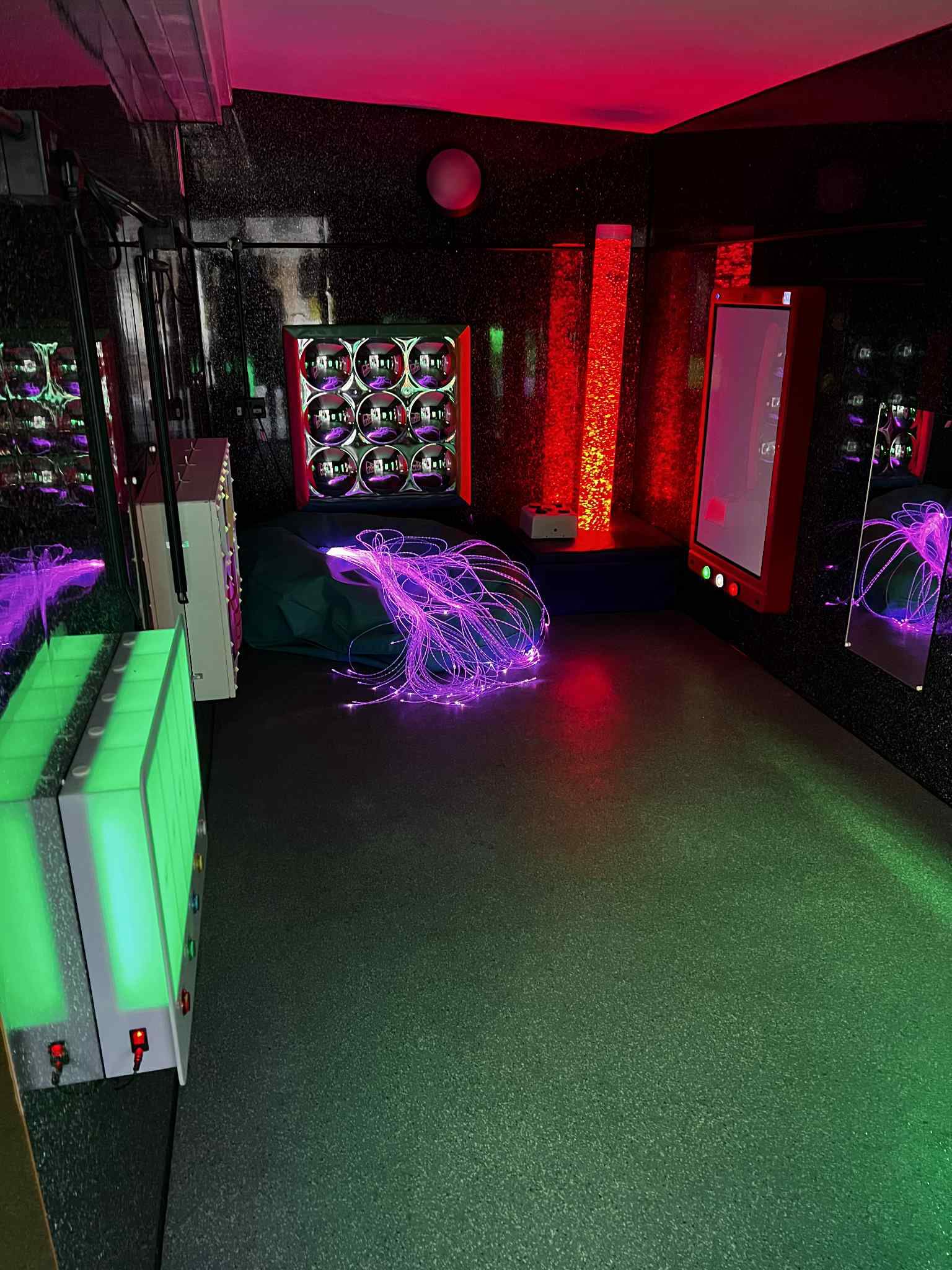
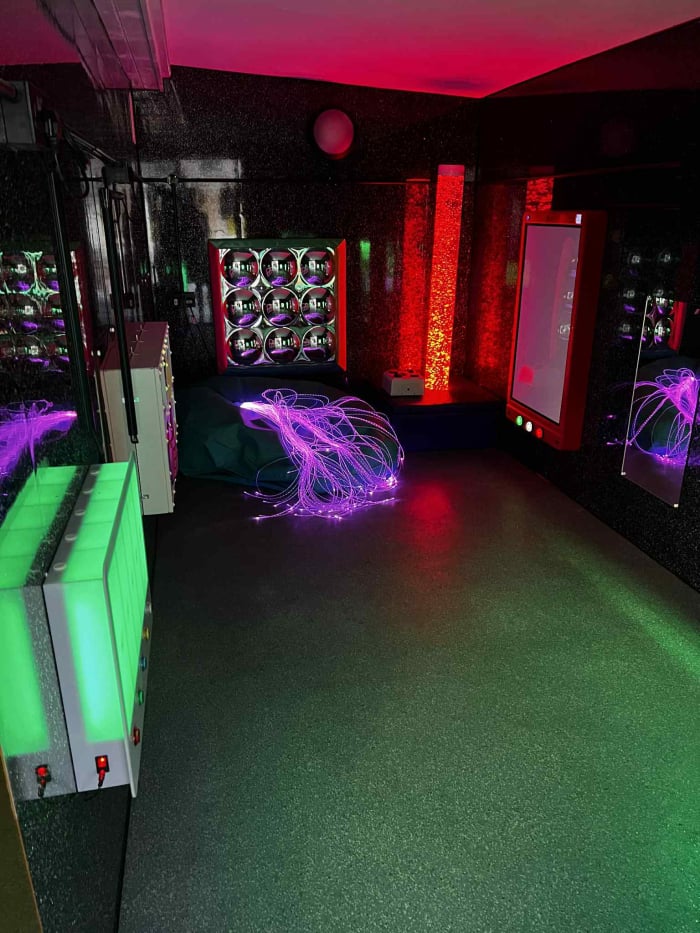
We have a sensory room where children can go to help self-regulate and relax.

Our changing area is equipped with an adjustable changing unit and is accessible to our main room.

We have two outdoor spaces, a large park with swings, a fully accessible roundabout and other fun activities.  Our other large outdoor area has an outdoor classroom for shade and a new sand area.

Meet Our Team

Staff

Mobirise

Kay

General Manager


Mobirise

Kim

Nursery Manager
Designated Safeguarding Lead
SENCO

Mobirise

Kate

Room Manager


Mobirise

Lynn

Senior Nursery Practitioner
SENCO

Mobirise

Katie

Nursery Practitioner

Mobirise

Sophia

Apprentice Nursery Practitioner

Volunteers

Mobirise

Sue

Volunteer

Mobirise

Kim

Volunteer

Mobirise

Christine

Volunteer

Mobirise

Thomas

Volunteer

Mobirise

Hayley

Volunteer

Mobirise

Steve

Volunteer

Trustees

Mobirise

Lesley

Chairman

Mobirise

Eileen

Treasurer

Mobirise

Kirsty

Secretary

Mobirise

Ben

Trustee

Mobirise

Helen

Trustee

Mobirise

Catherine

Trustee

Trustees

Mobirise

Lauren

Trustee

Mobirise

If you're interested in becoming a Trustee

Please email [email protected]

Mobirise

If you're interested in becoming a Trustee

Please email [email protected]

Mobirise

If you're interested in becoming a Trustee

Please email [email protected]

Mobirise

If you're interested in becoming a Trustee

Please email [email protected]

Mobirise

If you're interested in becoming a Trustee

Please email [email protected]

What people say about us

Ofsted Quote -

"The calm, patient staff give children the time they need to 
manage and regulate their own behaviour."

Paediatric Physiotherapist Quote - 

"As a Physiotherapist that regularly visits Peter Pan Nursery as a setting for many of my complex needs patients I find them extremely accommodating.  They always put the child at the centre of everything they deliver.  They will actively seek opportunities to problem solve any challenging situations and are not at all phased by some of the very challenging cases."

NYCC Early Years Consultant Quote -

"Peter Pan Nursery puts the needs of each individual child and their family at the heart of everything they do.  The care by the Manager and staff is of the highest quality ensuring that the needs of each child and family are met on a day to day basis.  Carefully tailored provision ensures that learning and teaching is provided in a caring and fun environment where children thrive."

Parent Quote -

"Thank you for providing the sunshine in our lives to help our boys flourish.  Thank you for seeing the beauty when others would see deficit.  Thank you for your ongoing care and support!"

Parent Quote -

"I can't thank you enough for all you've done for my son.  He's changed and grown so much since he's started.  I wish he didn't have to leave as he loves his time with all of you so much." 

Nursing Student (Enrichment Placement) Quote -

"Thank you for making me feel so welcome.  I will take away lots of memories with yourselves and the children.  You are all fantastic!"

Policies

• If a child appears unwell during the day at Peter Pan Nursery, for example has a raised temperature, sickness, diarrhoea and/or pains then a member of staff calls the parents/carers and asks them to collect the child or send a known carer to collect on their behalf.

• If a child has a raised temperature, top clothing may be removed to make them more comfortable, but children are not undressed or sponged down to cool their temperature. A high temperature should never be ignored, but it is a natural response to infection.

• If a temperature is suspected, the child’s temperature is taken and checked regularly, using a forehead digital thermometer or digital ear thermometer.

• In an emergency an ambulance is called, and the parents/carers are informed.

• Parents/carers are advised to seek medical advice before returning them to the setting; the setting can refuse admittance to children who have a raised temperature, sickness and *diarrhoea or a contagious infection or disease.

• Where children have been prescribed antibiotics for an infectious illness or complaint, parents/carers are asked to keep them at home for 48 hours.

• After diarrhoea or vomiting, parents/carers are asked to keep children home for 48 hours following the last episode.

• Some activities such as sand and water play will be suspended for the duration of any outbreak.

• See the table below for information about excludable diseases and exclusion times.

• The Nursery Manager notifies the Trustees if there is an outbreak of an infection (affects more than 3-4 children) and keeps a record of the numbers and duration of each event.

Notifiable diseases and infection control

If staff suspect a child who falls ill whilst in their care is suffering from a serious disease that may have been contracted in the United Kingdom or abroad, immediate medical assessment is required. A member of staff will call 111 and inform parents/carers.

Preventative measures are taken to reduce the risk of an outbreak returning. When an individual shows signs of an infectious illness, they are advised not to attend the setting. If a child is already at the setting, they will be made comfortable in a space away from the other children to rest until they are able to be collected. The importance of thorough handwashing will be reiterated, and the staff will promote the ‘catch it, bin it, kill it’ approach with the children.

In the case of an outbreak of a notifiable disease which has been confirmed by a medical professional, the Nursery Manager will seek further advice from the UKHSA, if not already contacted by them.

The Nursery Manager has a list of notifiable diseases and contacts the UK Health Security Agency (UKHSA) and Ofsted in the event of an outbreak.

Unwell children upon arrival

• On arrival, it is vital that parents/carers inform a member of staff if they notice their child may be showing signs of being unwell. It is the responsibility of the parents/carers to ensure their child does not attend the setting if they are not fit to; this is a precautionary measure to prevent other children or staff from becoming ill.

Infection control for bodily fluids – transmissible viruses

• Viruses such as Hepatitis, (A, B and C), are spread through body fluids. Hygiene precautions for dealing with body fluids are the same for all children and adults. Transmittable viruses are spread through bodily fluids. Hygiene measures are put in place to protect all staff and children. These include single use vinyl gloves and aprons are worn when changing children’s nappies, pants and clothing that are soiled with blood, urine, faeces or vomit.
• Protective rubber gloves are used for cleaning/sluicing clothing after changing.
• Soiled clothing is rinsed and bagged for parents/carers to collect.
• Spills of blood, urine, faeces or vomit are cleared using mild disinfectant solution and designated area mops; cloths used are disposed of.
• Tables, other furniture or toys/resources affected by blood, urine, faeces or vomit are removed where possible and cleaned using disinfectant. For larger items such as furniture, these must be cleaned immediately with disinfectant.
• Baby mouthing toys must be cleaned prior to another baby using them. All toys/resources are cleaned regularly. As a minimum, this should be carried out weekly, using sterilising solution for plastic toys/resources.

Handwashing

Handwashing is a crucial infection control measure which reduces the spread of illness. Adults, children and young people should regularly wash their hands, and increase this where there is an infection outbreak.
This should be carried out by all:

• After outside breaks
• Before meals and snack times
• Before preparation of snack and meals
• After using the toilet
• After nappy or clothing changes
• After the removal of personal protective equipment (PPE), including gloves.
• After blowing noses
• Before and after administering medication

Public Health England

advises that children and staff should be encouraged to catch sneezes with a tissue, bin the tissue and wash their hands.

Nits and head lice

• Parents are asked to keep their child away from the setting until they have given their child their first treatment.

• On identifying cases of head lice, all parents are informed and asked to treat their child and all the family, using current recommended treatments methods if they are found.

*Diarrhoea is defined as 3 or more liquid or semi-liquid stools in a 24-hour period. (www.gov.uk/government/publications/health-protection-in-schools-and-other-childcare-facilities/chapter-9-managing-specific-infectious-diseases#diarrhoea-and-vomiting-gastroenteritis)

**Paracetamol and Ibuprofen based medicines (e.g. Calpol, Nurofen)

The nursery will not administer any medication that has not been prescribed by their doctor, pharmacist or dentist e.g. Calpol, Nurofen etc.

Calpol, Nurofen (or similar medicines) must NOT be given to your child when they are attending nursery, as these can mask the signs of a temperature. If Calpol or similar medicine is given, your child should not attend nursery for a 12 hour period.

Further guidance

Medication Administration Record (Alliance Publication)
Guidance on infection control in schools and other childcare settings (Public Health Agency) https://www.publichealth.hscni.net/sites/default/files/Guidance_on_infection_control_in%20schools_poster.pdf
High temperature (fever) in children - NHS (www.nhs.uk)

Infection Exclusion

Chickenpox - At least 5 days from the onset of the rash and until all blisters have crusted over.
Cold Sores - None
Conjunctivitis - 24 hours after starting antibiotic eye drops or until symptoms are no longer present.
COVID & Respiratory Infections - Minimum of 5 days and no return until symptoms are no longer present or a negative COVID test.
Diarrhoea and Vomiting - 48 hours after their last episode of diarrhoea and/or vomiting.
Diptheria - Full exclusion until cleared to return by a healthcare professional and the local UKHSA health protection team.
Fever (37.8 degrees Celsius) - 48 hours after the temperature has returned to normal.
Flu - Until fully recovered and symptom free.
Glandular Fever - Until free of all symptoms.
Hand Food and Mouth - 1 Week
Head Lice - Until first treatment has been administered.
Hepititis A - 7 days
Hepititis B, C and HIV - None
Impetigo - 48 hours after the start of antibiotics and all sores have crusted and healed.
Measles - 4 days after the rash first appears.
Meniningitis - Until fully recovered and symptom free.
Mpox - Until confrmed safe to return by healthcare professional.
MRSA - None
Mumps - 5 days after the swelling has started.
Ringworm - 48 hours after treatment has been started.
Rubella/German Measles - 2 weeks after the rash has gone.
Scabies - Until first treatment has been administered.
Scarlet Fever - 48 hours after starting antibiotics
Slapped Cheek - None
Threadworms - Until first treatment has been administered.
Tonsilitis - 48 hours after starting antibiotics.
TB - 2 weeks after the start of antibiotics.
Whooping Cough - 3 weeks from the start of the cough.


Principles

This policy is for protection of children who have been left at the nursery over the agreed collection time or once the nursery is closed.

The nursery has a duty of care to the children and parents to ensure that collection of very young children is made at the agreed time or within normal nursery opening hours. Late collection causes additional overheads and costs for the nursery and potentially unnecessary distress to a child.

Children remaining in our care after the agreed collection time or after normal opening hours must be supervised by a minimum of two members of staff, one of whom must be qualified.

We appreciate that sometimes there may be circumstances beyond parent/carer control affecting the prompt collection of your child. If you know you are going to be late collecting the child in your care please call at the earliest opportunity and discuss with the Nursery Manager or Senior Nursery Practitioner the arrangements for the collection. Please note that a late stay fee will still be chargeable, unless agreed otherwise, for example in exceptional circumstances.

Procedure – see ‘Uncollected Child Procedure’

All parents/carers will be given a five minute grace period on late collection of their child. If your child has still not been collected 5 minutes after the session has ended (1.05pm) then a £10 charge will be levied and for every ten minutes thereafter.

If you are late collecting your child, they will be cared for where possible, by their key worker and another member of staff. Yours child will be inside the nursery and reassured by the staff members. Any specific needs will be addressed.

If your child(ren) remains uncollected 5 minutes after the closing time:

No late fee will be charged unless this becomes a regular occurance. After 5 occasions, you will be charged £10.

If your child(ren) remains uncollected 5-10 minutes after the closing time:

A late stay fee will be collected of £10 for each child.

• If your child(ren) remains uncollected 10-20 minutes after the closing time:

A late stay fees will be collected of £20 for each child.

If your child(ren) remains uncollected 20-30 minutes after the closing time:

A late stay fee will be collected of £30 for each child.

If your child(ren) remains uncollected 30 minutes after the closing time:

The Designated Safeguarding Lead contacts the local social care out-of-hours duty officer if the parents/carers or other known carer cannot be contacted and there are concerns about the child’s welfare or the welfare of the parents/carers.
Please note that the late stay fee will be collected and charged at an additional £10 for every subsequent 5 minutes thereafter for each child.

Please inform the nursery of any changes in your contact details. It is the responsibility of the parent/carer to ensure their contact details are updated with the nursery.

Unreasonable and/or persistent lateness will be reviewed and may result in the termination of your child/children’s place.

Please note that a full written report of the incident will be recorded and kept in the child’s file.


Food provides a healthy, balanced diet for growth and development. Foods containing any of 14 allergens identified by the FSA are identified on menus. Dietary guidance to promote health and reduce risk of disease is followed. When planning menus, the setting manager and cook ensure that:

• Parents/carers and staff can contribute ideas for menus which are confirmed each week in advance. A four- to six-week cycle reviewed seasonally is a good way of working out menus.

• Menus reflect cultural backgrounds, religious restrictions and food preferences of some ethnic groups.

• Menus are clearly displayed so that parents and staff know what is being provided.

• Foods that contain any of the 14 major allergens are identified on the menu that is displayed for parents/carers.

• Parents/carers must share information about their children’s particular dietary needs with staff when they enrol their children and on an on-going basis with their key person.

• Key persons regularly share information about the children’s levels of appetite and enjoyment of food with parents/carers.

• Staff refer to Help for early years providers :Food safety which includes:

Example menus for early years settings in England: Guidance and Example menus for early years settings in England : Recipes

• Eat Better, Start Better - Foundation Years.

• The cook maintains a record of children’s dietary needs in a Food Allergy and Dietary Needs folder.

Pre-prepared cook chilled meals and hot meals from suppliers

If the setting uses a food supplier to provide either hot meals prepared off site or chilled/frozen meals to be heated on site, the supplier’s instructions for safe storage, heating and serving must be followed.

• Ingredients are checked to identify allergens (this will be clearly indicated on packaging).
• A temperature probe is used to check that cook chilled foods are heated correctly.
• Foods delivered hot are checked as above.
• Foods are served within the time stipulated by the supplier.
• Left-overs are not kept and reheated for another day.
• The guidance in Safer Food Better Business (Food Standards Agency 2020) is always followed.

Packed lunches

Where children have packed lunches, staff promote healthy eating, ensuring that parents/carers are given advice and information about what is appropriate content for a child’s lunch box. Parents/carers are also advised to take measures to ensure children’s lunch box contents remain cool i.e. ice packs, as the setting may not have facilities for refrigerated storage.

The setting is responsible for protecting the health and safety of all staff and volunteers in its services and has a duty of care in relation to their physical and emotional well-being. We believe that violence, threatening behaviour and abuse against staff are unacceptable and will not be tolerated. Where such behaviour occurs, we will take all reasonable and appropriate action in support of our staff and volunteers.

• Staff and volunteers have a right to expect that their workplace is a safe environment, and that prompt and appropriate action will be taken on their behalf if they are subjected to abuse, threats, violence or harassment by parents, service users and other adults as they carry out their duties.

• The most common example of unreasonable behaviour is abusive or intimidating and aggressive language. If this occurs, the ultimate sanction, where informal action is not considered to be appropriate or has proved to be ineffective, is the withdrawal of permission to be on the premises.

• Where a person recklessly or intentionally applies unlawful force on another or puts another in fear of an immediate attack, it is an offence in law which constitutes an assault. We would normally expect the police to be contacted immediately.
There are three categories of assault, based on the severity of the injury to the victim.

1. Common Assault - involving the threat of immediate violence or causing minor injury (such as a graze, reddening of the skin or minor bruise).

2. Actual Bodily Harm - causing an injury which interferes with the health or comfort of the victim (such as multiple bruising, broken tooth or temporary sensory loss).

3. Grievous Bodily Harm - causing serious injury (such as a broken bone or an injury requiring lengthy treatment).

There is also an aggravated form of assault based upon the victim’s race, religion, disability or sexual orientation and other protected characteristics as defined in the Equality Act 2010 which carries higher maximum penalties.
It is important to note that no physical attack or injury needs to have occurred for a common assault to have taken place. It is sufficient for a person to have been threatened with immediate violence and put in fear of a physical attack for an offence to have been committed.

Any staff member or volunteer who feels under threat or has been threatened, assaulted, or intimidated in the course of their work must report this immediately to their line manager who will follow the Nursery Manager’s procedures and guidance for responding.
999 should always be used when the immediate attendance of a police officer is required. The police support the use of 999 in all cases where:

- there is danger to life
- there is a likelihood of violence
- an assault is, or is believed to be, in progress
- the offender is on the premises
- the offence has just occurred, and an early arrest is likely

If it is not possible to speak when making a 999 call because it alerts an offender, cough quietly or make a noise on the line, then follow the prompts to dial 55 (mobiles only) for a silent call. Police may be able to trace the call and attend the premises.

Harassment and intimidation

Staff may find themselves subject to a pattern of persistent unreasonable behaviour from individual parents or service users. This behaviour may not be abusive or overtly aggressive but could be perceived as intimidating and oppressive. In these circumstances staff may face a barrage of constant demands or criticisms on an almost daily basis, in a variety of formats for instance, email or telephone. They may not be particularly taxing or serious when viewed in isolation but can have a cumulative effect over a period of undermining their confidence, well-being, and health. In extreme cases, the behaviour of the parent or other service user may constitute an offence under the Protection from Harassment Act 1997, whereby:

A person must not pursue a course of conduct:

(a) which amounts to harassment of another, and
(b) which he knows or ought to know amounts to harassment of the other.

If so, the police have powers to act against the offender. Such situations are rare but, when they do arise, they can have a damaging effect on staff and be very difficult to resolve. If the actions of a parent appear to be heading in this direction, staff should speak to their manager who will take appropriate action to support. This may include the manager sending a letter to the aggressor, warning them that their behaviour is unacceptable and may result in further action being taken against them. All incidents must be recorded and reported to the setting’s line manager.

Banning parents and other visitors from the premises

• Parents and some other visitors normally have implied permission to be on the premises at certain times and for certain purposes, and they will not therefore be trespassers unless the implied permission is withdrawn.

• If a parent or other person continues to behave unreasonably on the premises a letter will be sent to them from the trustees, withdrawing the implied permission for them to be there.

• Further breaches may lead to prosecution of the person concerned by the police and they are treated as a trespasser.

• Full records are kept of each incident, including details of any person(s) who witnessed the behaviour of the trespasser(s), since evidence will need to be provided to the Court.

Dealing with an incident

• We would normally expect all cases of assault, and all but the most minor of other incidents, to be regarded as serious matters which should be reported to the setting manager and/or the police and followed up with due care and attention.

• A record of the incident must be made whether the police are involved or not.

• Whilst acknowledging that service users i.e. parents and families, may themselves be under severe stress, it is never acceptable for them to behave aggressively towards staff and volunteers. Individual circumstances along with the nature of the threat are considered before further action is taken.

• All parties involved should consider the needs, views, feelings and wishes of the victim at every stage. We will ensure sympathetic and practical help, support and counselling is available to the victim both at the time of the incident and subsequently.

• A range of support can be obtained:

- from the setting manager, owners/directors/trustees and/or a staff colleague

- from Victim Support on giving evidence in court

• In non-urgent cases, where the incident is not thought to be an emergency, but police involvement is required, all staff and volunteers are aware of the non-emergency police contact number for the area.

• 999 calls receive an immediate response. Unless agreed at the time, non-emergency calls are normally attended within 8 hours (24 hours at the latest).

• When they attend the setting or service, the police will take written statements from the victim (including a ‘Victim Personal Statement’) and obtain evidence to investigate the offence in the most appropriate and effective manner.

• The police will also consider any views expressed by the setting manager and owner/directors/trustees as to the action they would like to see taken. The manager should speak to the victim and be aware of his or her views before confirming with the police how they wish them to proceed.

• In some cases the victim may be asked by the police if he/she wishes to make a complaint or allegation against the alleged offender. It is important to ensure that the victim can discuss the matter with their line manager, a colleague or friend before deciding on their response. It is helpful for the victim to be assured that, if there is a need subsequently to give evidence in court, support can be provided if it is not already available from Victim Support.

• The decision regarding whether an individual is prosecuted is made by the police or Crown Prosecution Service (CPS) based on the evidence and with due regard to other factors.

• After the incident has been dealt with, a risk assessment is done to identify preventative measures that can be put in place to minimise or prevent the incident occurring again.

Harassment or intimidation of staff by parents/carers/visitors

• Through open communication between staff and parents/carers a culture of respect and tolerance should always be promoted. Should this communication and relationship break down due to a parent or parents/carers behaviour towards the staff member the setting manager should contact their line manager for advice and support. Where the staff member feels threatened or intimidated the aggressive and unacceptable behaviour should be addressed.

• Where the parent/carers behaviour merits it, the setting manager, with another member of staff present, should inform the parent/carer clearly but sensitively that staff feel unduly harassed or intimidated and are considering escalating the issue and making a complaint to the police if the behaviour does not desist or improve. The parent/carer should be left in no doubt about the gravity of the situation and that this will be followed up with a letter drafted by the setting manager but sent to their line manager for approval before being issued.

• The letter to the parent/carers should outline the zero-policy approach for any form of harassment, intimidation or abuse directed at staff.

• Staff must keep a record of incidents, including dates, times, locations, and witnesses, to support future action and meet reporting procedures as outlined in policy 7 – record keeping

• If the investigation concludes that the parents/carers expectations and demands are unreasonable, and that they are having a detrimental effect on staff, the findings can strengthen the setting manager’s position in further discussions with the parent/carer and subsequently, if necessary, with the police. See procedures above relating to banning parents/carers from the premises.

• If the investigation concludes that the parents/carers expectations and demands are reasonable and if the parent/carer feels unhappy with the staff member or the setting itself the setting manager and/or owners/directors/trustees might wish to consider advising the parent/carer to make a formal complaint. Information about how to complain is clearly displayed for parents/carers and service users.

Complaints relating to potential breaches of the EYFS Safeguarding and Welfare requirements will be managed according to the 10.2 Complaints procedure for parents/carers and service users.

Further guidance

Complaint Investigation Record (Alliance 2021)
Reportable Incident Record (Alliance 2015) 

At Peter Pan Nursery it is our policy to have clear guidelines on arriving with your child and departure. This policy is in place to ensure the safety of each child as they arrive in nursery and to ensure all children depart safely at the end of their session.

In order to do this, please follow the procedure below:
.
• Parents /carers will not be permitted to enter the main room of the nursery. Your children must be dropped off at the side gate or main entrance door to the Nursery.

• Only two parents/carers to drop off and collect their child/children.

• When parents/carers are arriving to drop their child off at Nursery they are responsible for the care and wellbeing of their children, until that child enters the Nursery Provision.


Arrival of Children

It is our policy to give a warm welcome to each child/family upon arrival at the nursery. As children arrive in nursery staff will:

• Immediately record a child’s arrival time in the daily attendance register.

• Greet parents/carers and request any information from parents/carers regarding a child’s wellbeing which parents/carers feel needs to be shared with nursery staff.

• Record any specific information provided by the parent/carer which will support the child’s wellbeing whilst they are in the nursery.

• Ensure that where a child requires medication during the day the parent/carer has completed a medication consent form in line with the Accident Illness and Medication Policy.

• Parents/carers will be asked to complete a pre-existing injury form for any child arriving with an injury.

Departure of Children

• On no account will staff hand over a child to anyone other than the known parent/carer unless an agreement has been made at the time of arrival of the child that an alternative adult will be collecting the child. Or if contact is made by the parent/carer before pickup and a password should be given.

• On departure, each child will immediately be signed out by a member of nursery staff on the daily attendance record to show that the child has left the premises.

Where a parent/carer has informed and agreed with nursery staff that an alternative named adult will be collecting the child, nursery staff will ask parents/carers to ensure that the following is in place:

• Parents/carers have informed staff working within their child’s room that they will not be collecting their child at the end of the session and have clearly informed staff about the adult who will be collecting the child. Only persons age over 16 years will be allowed to collect a child unless that person is the child’s parent.

• Parents/carers have provided staff with a description of the person who will be collecting the child, their name and relationship to the child, staff will record this information.

• Parents/carers will agree a password, which staff will use to identify that the person collecting the child is the right person.

• Where possible parents/carers will bring the alternative person into the nursery prior to them collecting a child to introduce them to staff; this will help with identification at a later date when required.

The nursery’s prime focus is the care and safety of the children it cares for. All procedures are written with this is mind.

Adults arriving under the influence of alcohol

• If an adult arrives to collect a child, whether this is the parent/carer or another designated adult (see above procedure), and they are deemed to be under the influence of alcohol or drugs, the senior member of management on duty will assess whether the child’s safety and welfare may be impacted if released into this persons care.

• The decision will be discussed with the adult and where required an additional named adult will be contacted to collect the child or this will be referred to the duty social care worker if this is not possible. During this time another member of staff will care for the child so they are able to remain calm and engaged in play.

• Where an adult is deemed unsuitable to drive due to suspected alcohol or drugs consumption, and may endanger them and others if they do, the nursery will intervene and endeavour to prevent this individual from getting back into the vehicle.

• Nursery reserves the right to also report such matters to the police and/or social care, in the case of any employees, reserves the right to take disciplinary action as may be appropriate.

Arrivals and departures of visitors

• For arrivals and departures of visitors the appropriate records must be completed on entry and exit e.g. in the visitors book. All visitors must be supervised.

The Designated Safeguarding Lead at Peter Pan Nursery is The Nursery Manager, the back-up Designated Safeguarding Lead is the Room Manager, Duty Local Authority Designated Officer (LADO) Tel: 01609 798005
Safeguarding roles

• All staff and volunteers recognise and know how to respond to signs and symptoms that may indicate a child is suffering from or likely to be suffering from harm. They understand that they have a responsibility to act immediately by discussing their concerns with the Designated Safeguarding Lead or a named back-up Designated Safeguarding Lead.

• The Nursery Manager and Room Manager are the Designated Safeguarding Lead and back-up Designated Safeguarding Lead, responsible for co-ordinating action taken by the setting to safeguard vulnerable children and adults. The Designated Safeguarding Lead is also responsible for Liaising with local statutory children’s services and with the Local Safeguarding Partnership.

• All concerns about the welfare of children in Peter Pan Nursery, at home, or elsewhere should be reported to the Designated Safeguarding Lead or the back-up Designated Safeguarding Lead in their absence.

• The Designated Safeguarding Lead ensures that all educators at Peter Pan Nursery are alert to the indicators of abuse and neglect and understand how to identify and respond to these.

• The setting should not operate without an identified Designated Safeguarding Lead at any time.

• Issues which may require notifying to Ofsted are notified to the Designated Safeguarding Lead to make a decision regarding notification. The Designated Safeguarding Lead must remain up to date with Ofsted reporting and notification requirements.

• If there is an incident, which may require reporting to RIDDOR the Designated Safeguarding Lead immediately seeks guidance from the Trustees. There continues to be a requirement that the Designated Safeguarding Lead follows legislative requirements in relation to reporting to RIDDOR. This is fully addressed in the Health and Safety procedures.

• Peter Pan Nursery follows procedures of North Yorkshire Local Safeguarding Partners (LSP) for safeguarding and any specific safeguarding procedures such as responding to radicalisation/extremism concerns. Procedures are followed for managing allegations against staff, as well as for responding to concerns and complaints raised about quality or practice issues, whistle-blowing and escalation.

Responding to marks or injuries observed

• If a member of staff at Peter Pan Nursery observes or is informed by a parent/carer of a mark or injury to a child that happened at home or elsewhere, the member of staff asks the parent/carer to complete and sign a pre-existing injury form. This is filed in the child’s personal file.

• The member of staff advises the Designated Safeguarding Lead as soon as possible if there are safeguarding concerns about the circumstance of the injury.

• If there are concerns about the circumstances or explanation given, by the parent/carer and/or child, the Designated Safeguarding Lead decides the course of action to be taken after reviewing the Child welfare and protection summary and completing a Safeguarding incident reporting form.

• If the mark or injury is noticed later in the day and the parent is not present, this is raised with the Designated Safeguarding Lead.

• If there are concerns about the nature of the injury, and it is unlikely to have occurred at the setting, the Designated Safeguarding Lead decides the course of action required and a Safeguarding incident reporting form is completed as above, taking into consideration any explanation given by the child.

• If there is a likelihood that the injury is recent and occurred at the setting, this is raised with the Designated Safeguarding Lead.

• If there is no cause for further concern, a record is made in the child’s folder and an Accident form is completed, with a note that the circumstances of the injury are not known.

• If the injury is unlikely to have occurred at the setting, this is raised with the Designated Safeguarding Lead

• The parent/carer is advised at the earliest opportunity.

• If the parent believes that the injury was caused at the setting this is still recorded on an Accident form on Tapestry and an accurate record made of the discussion is made on the child’s personal file.

Responding to the signs and symptoms of abuse

• Concerns about the welfare of a child are discussed with the Designated Safeguarding Lead without delay.

• A written record is made of the concern on Safeguarding incident reporting form as soon as possible.

• Concerns that a child is in immediate danger or at risk of significant harm are responded to immediately and if a referral is necessary this is made on the same working day.

Responding to a disclosure by a child

• When responding to a disclosure from a child, the aim is to get just enough information to take appropriate action.

• The member of staff or volunteer at Peter Pan Nursery listens carefully and calmly, allowing the child time to express what they want to say.

• Staff do not attempt to question the child but if they are not sure what the child said, or what they meant, they may prompt the child further by saying ‘tell me more about that’ or ‘show me again’.

• After the initial disclosure, staff speak immediately to the Designated Safeguarding Lead. They do not further question or attempt to interview a child.

• If a child shows visible signs of abuse such as bruising or injury to any part of the body and it is age appropriate to do so, the key person will ask the child how it happened.

• When recording a child’s disclosure on a Safeguarding incident reporting form, their exact words are used as well as the exact words with which the member of staff responded.

• If marks or injuries are observed, these are recorded on a body diagram.

Decision making (all categories of abuse)

• The Designated Safeguarding Lead makes a professional judgement about referring to other agencies, including Social Care using the Local Safeguarding Partnership (LSP) threshold document:

- Level 1: Child’s needs are being met. Universal support.
- Level 2: Universal Plus. Additional professional support is needed to meet child’s needs.
- Level 3: Universal Partnership Plus. Targeted Early Help. Coordinated response needed to address multiple or complex problems.
- Level 4: Specialist/Statutory intervention required. Children in acute need, likely to be experiencing, or at risk of experiencing significant harm.

• Staff at Peter Pan Nursery are alert to indicators that a family may benefit from early help services and should discuss this with the Designated Safeguarding Lead, also completing a Safeguarding incident reporting form if they have not already done so.

Seeking consent from parents/carers to share information before making a referral for early help (Tier 2/3*)

Parents/carers are made aware of Peter Pan Nursery’s Privacy Notice which explains the circumstances under which information about their child will be shared with other agencies. When a referral for early help is necessary, the Designated Safeguarding Lead must always seek consent from the child’s parents/carers to share information with the relevant agency.

• If consent is sought and withheld and there are concerns that a child may become at risk of significant harm without early intervention, there may be sufficient grounds to over-ride a parental decision to withhold consent.

• If a parent withholds consent, this information is included on any referral that is made to the local authority. In these circumstances a parent should still be told that the referral is being made beforehand (unless to do so may place a child at risk of harm).

*Tier 2: Children with additional needs, who may be vulnerable and showing early signs of abuse and/or neglect; their needs are not clear, not known or not being met. Tier 3: Children with complex multiple needs, requiring specialist services in order to achieve or maintain a satisfactory level of health or development or to prevent significant impairment of their health and development and/or who are disabled.

Informing parents/carers when making a child protection referral

In most circumstances consent will not be required to make a child protection referral, because even if consent is refused, there is still a professional duty to act upon concerns and make a referral. When a child protection referral has been made, the Designated Safeguarding Lead contacts the parents/carers (only if agreed with social care) to inform them that a referral has been made, indicating the concerns that have been raised, unless social care advises that the parent should not be contacted until such time as their investigation, or the police investigation, is concluded. Parents/carers are not informed prior to making a referral if:

- there is a possibility that a child may be put at risk of harm by discussion with a parent/carer, or if a serious offence may have been committed, as it is important that any potential police investigation is not jeopardised

- there are potential concerns about sexual abuse, fabricated illness, FGM or forced marriage

- contacting the parent puts another person at risk; situations where one parent may be at risk of harm, e.g. abuse; situations where it has not been possible to contact parents/carers to seek their consent may cause delay to the referral being made

The Designated Safeguarding Lead makes a professional judgment regarding whether consent (from a parent/carer) should be sought before making a child protection referral as described above. They record their decision about informing or not informing parents/carers along with an explanation for this decision. Advice will be sought from the appropriate children’s social work team if there is any doubt.

Referring

• The Designated Safeguarding Lead or back-up at Peter Pan Nursery follows their LSP procedures for making a referral.

• If the Designated Safeguarding Lead or their back-up is not on site, the most senior member of staff present takes responsibility for making the referral to social care.

• If a child is believed to be in immediate danger, or an incident occurs at the end of the session and staff are concerned about the child going home that day, then the Police and/or social care are contacted immediately.

• If the child is ‘safe’ because they are still in the setting, and there is time to do so, the senior member of staff contacts the setting’s Designated Safeguarding Lead for support.

Further recording

• Information is recorded using 06.1b Safeguarding incident reporting form, and a short summary entered on 06.1a Child welfare and protection summary. Discussion with parents/carers and any further discussion with social care is recorded. If recording a conversation with parents/carers that is significant, regarding the incident or a related issue, parents/carers are asked to sign and date a record of the conversation. It should be clearly recorded what action was taken, what the outcome was and any follow-up.

• If a referral was made, copies of all documents are kept and stored securely and confidentially (including copies in the child’s safeguarding file).

• Each member of staff/volunteer who has witnessed an incident or disclosure should also make a written statement on a Safeguarding incident reporting form, as above.

• The referral is recorded on a Child welfare and protection summary.

• Follow up phone calls to or from social care are recorded in the child’s file; with date, time, the name of the social care worker and what was said.

• Safeguarding records are kept up to date and made available for confidential access by the Designated Safeguarding Lead to allow continuity of support during closures or holiday periods.


• For child protection concerns at Tier 3 and 4** it will be necessary for the Designated Safeguarding Lead to complete a Confidential safeguarding incident report form.

** Tier 3: Children with complex multiple needs, requiring specialist services in order to achieve or maintain a satisfactory level of health or development or to prevent significant impairment of their health and development and/or who are disabled. Tier 4: Children in acute need, who are suffering or are likely to suffer significant harm.

Professional disagreement/escalation process

• If a member of staff or volunteer at Peter Pan Nursery disagrees with a decision made by the Designated Safeguarding Lead not to make a referral to social care they must initially discuss and try to resolve it with them.

• If the disagreement cannot be resolved with the Designated Safeguarding Lead and the member of staff or volunteer continues to feel a safeguarding referral is required, they must make a referral themselves and notify the Trustees.

• If issues cannot be resolved the whistle-blowing policy should be used, as set out below.

• Supervision sessions are also used to discuss concerns but this must not delay making safeguarding referrals.

Whistleblowing

Peter Pan Nursery will ensure that all staff are familiar with the Whistleblowing Procedure
The whistle blowing procedure must be followed in the first instance if:

- a criminal offence has been committed, is being committed or is likely to be committed
- a person has failed, is failing or is likely to fail to comply with any legal obligation to which he or she is subject. This includes non-compliance with policies and procedures, breaches of EYFS and/or registration requirements
- a miscarriage of justice has occurred, is occurring or is likely to occur
- the health and safety of any individual has been, is being or is likely to be endangered
- the working environment has been, is being or is likely to be damaged;
- that information tending to show any matter falling within any one of the preceding clauses has been, is being or is likely to be deliberately concealed

There are 3 stages to raising concerns as follows:

1. If staff wish to raise or discuss any issues which might fall into the above categories, they should normally raise this issue with the Nursery Manager/Designated Safeguarding Lead.
2. Staff who are unable to raise the issue with the Nursery Manager/Designated Safeguarding Lead they should raise the issue with the General Manager or Trustees.
3. If staff are still concerned after the investigation, or the matter is so serious that they cannot discuss it with the Nursery Manager, they should raise the matter with the General Manager. If it is not possible to discuss it with the General Manager, the board of Trustees should be contacted. Contact numbers and email addresses are available at all times in the contact folder on the General Manager’s desk.
After a concern has been raised, the line manager will decide how to respond in a reasonable and appropriate manner. Normally this will involve making internal enquires first, but it may be necessary to carry out an investigation.
Whilst it is hoped that such disclosures will never be necessary, the setting management recognises that it may find itself in circumstances which are new to it. Each case will be treated on its own merits.
Managers’ responsibilities
Managers/line managers notified of concerns under this policy are expected to:
• ensure that all staff and volunteers are familiar with the policy
• ensure that concerns raised are taken seriously;
• treat the matter in confidence, within the parameters of the case;
• where appropriate, investigate properly and make an objective assessment of the concern;
• keep the person raising the concern updated with progress, without breaching confidentiality;
• ensure that the action necessary to resolve a concern is taken;
• take appropriate steps to ensure that the employee’s working environment and/or working relationship is/are not prejudiced by the fact of disclosure.
If an issue cannot be resolved and the member of staff believes a child remains at risk because the setting or the local authority have not responded appropriately, the NSPCC have introduced a whistle-blowing helpline 0800 028 0285 for professionals who believe that:
- their own or another employer will cover up the concern
- they will be treated unfairly by their own employer for complaining
- if they have already told their own employer and they have not responded
Peter Pan Nursery will ensure that all staff are aware of the NSPCC whistleblowing helpline
Female genital mutilation (FGM)
Staff and volunteers should be alert to symptoms that would indicate that FGM has occurred, or may be about to occur, and take appropriate safeguarding action. Designated Safeguarding Lead should contact the police immediately as well as refer to children’s services local authority social work if they believe that FGM may be about to occur.
It is illegal to undertake FGM or to assist anyone to enable them to practice FGM under the Female Genital Mutilation Act 2003, it is an offence for a UK national or permanent UK resident to perform FGM in the UK or overseas. The practice is medically unnecessary and poses serious health risks to girls. FGM is mostly carried out on girls between the ages of 0-15, statistics indicate that in half of countries who practise FGM girls were cut before the age of 5. LSCB guidance must be followed in relation to FGM, and the Designated Safeguarding Lead is informed regarding specific risks relating to the culture and ethnicity of children who may be attending their setting and shares this knowledge with staff.
Symptoms of FGM in very young girls may include difficulty walking, sitting or standing; painful urination and/or urinary tract infection; urinary retention; evidence of surgery; changes to nappy changing or toileting routines; injury to adjacent tissues; spends longer than normal in the bathroom or toilet; unusual and /or changed behaviour after an absence from the setting (including increased anxiety around adults or unwillingness to talk about home experiences or family holidays); parents/carers are reluctant to allow child to undergo normal medical examinations; if an older sibling has undergone the procedure a younger sibling may be at risk; discussion about plans for an extended family holiday
Further guidance
NSPCC 24-hour FGM helpline: 0800 028 3550 or email [email protected]
Government help and advice: www.gov.uk/female-genital-mutilation
Children and young people vulnerable to extremism or radicalisation
Peter Pan Nursery have a duty to identify and respond appropriately to concerns of any child or adult at risk of being drawn into terrorism. LSP’s have procedures which cover how professionals should respond to concerns that children or young people may be at risk of being influenced by or being made vulnerable by the risks of extremism.
There are potential safeguarding implications for children and young people who have close or extended family or friendship networks linked to involvement in extremism or terrorism.
• The Designated Safeguarding Lead at Peter Pan Nursery is required to familiarise themselves with LSP procedures, as well as online guidance including:
- Channel Duty guidance: Protecting people vulnerable to being drawn into terrorism www.gov.uk/government/publications/channel-and-prevent-multi-agency-panel-pmap-guidance
- Prevent Strategy (HMG 2011) www.gov.uk/government/publications/prevent-strategy-2011
• The prevent duty: for schools and childcare providers www.gov.uk/government/publications/protecting-children-from-radicalisation-the-prevent-duty
• The Designated Safeguarding Lead at Peter Pan Nursery should follow LSP guidance in relation to how to respond to concerns regarding extremism and ensure that staff know how to identify and raise any concerns in relation to this with them.
• The Designated Safeguarding Lead at Peter Pan Nursery must know how to refer concerns about risks of extremism/radicalisation to their LSP safeguarding team or the Channel panel, as appropriate.
• The Designated Safeguarding Lead should also ensure that they and all other staff at Peter Pan Nursery working with children and young people understand how to recognise that someone may be at risk of violent extremism.
• The Designated Safeguarding Lead also ensures that all staff and volunteers at Peter Pan Nursery are aware of their responsibilities with regard to equality and inclusion and children’s rights. If available in the area, the Designated Safeguarding Lead should complete WRAP (or equivalent) training and support staff to access the training as offered by local authorities. WRAP training covers local arrangements for dealing with concerns that a child may be at risk of extremism and/or radicalisation.
• The Designated Safeguarding Lead should understand the perceived terrorism risks in relation to the area that they deliver services in.
Parental consent for radicalisation referrals
LSP procedures are followed at Peter Pan Nursery in relation to whether parental consent is necessary prior to making a referral about a concern that a child or adult may be at risk of being drawn into terrorism. It is good practice to seek the consent of the person, or for very young children, the consent of their parent/carer prior to making a referral, but it is not a requirement to seek consent before referring a concern regarding possible involvement in extremism or terrorism if it may put a child at risk, or if an offence may have been or may be committed. Advice should be sought from line managers and local agencies responsible for safeguarding, as to whether or not consent should be sought on a case-by-case basis. Designated Safeguarding Lead at Peter Pan Nursery should be mindful that discussion regarding potential referral due to concerns may be upsetting for the subject of the referral and their family. Initial advice regarding whether an incident meets a threshold for referral can be sought from the relevant local agency without specific details such as names of the family being given in certain circumstances.
Consent is required prior to any individual engaging with a Channel intervention. Consent is usually sought by Channel partners, but LSP procedures should be followed regarding this.
If there is a concern that a person is already involved in terrorist activity this must be reported to the Anti-Terrorist Hot Line 0800 789 321-Text/phone 0800 0324 539. Police can be contacted on 101.
Concerns about children affected by gang activity/serious youth violence
Staff and volunteers at Peter Pan Nursery should be aware that children can be put at risk by gang activity, both through participation in and as victims of gang violence. Whilst very young children will be very unlikely to become involved in gang activity they may potentially be put at risk by the involvement of others in their household in gangs, such as an adult sibling or a parent/carer. The Designated Safeguarding Lead at Peter Pan Nursery is familiar with the LSP guidance and procedures in relation to safeguarding children affected by gang activity and ensure this is followed where relevant.

Forced marriage/Honour based violence
Staff and volunteers at Peter Pan Nursery are aware that forced marriage is a marriage in which one or both spouses do not consent to the marriage but are forced into it and will act accordingly as detailed below. Duress can include physical, psychological, financial, sexual and emotional pressure. In the cases of some vulnerable adults who lack the capacity to consent coercion is not required for a marriage to be forced. A forced marriage is distinct from an arranged marriage. An arranged marriage may have family involvement in arranging the marriages, but crucially the choice of whether to accept the arrangement remains with the prospective spouses.
Forced marriage became criminalised in 2014. There are also civil powers for example a Forced Marriage Protection Order to protect both children and adults at risk of forced marriage and offers protection for those who have already been forced into marriage.
Risks in relation to forced marriage are high and it is important that educators ensure that anyone at risk of forced marriage is not put in further danger. If someone is believed to be at risk it is helpful to get as much practical information as possible, bearing in mind the need for absolute discretion, information that can be helpful will include things likes, names, addresses, passport numbers, national insurance numbers, details of travel arrangements, dates and location of any proposed wedding, names and dates of birth of prospective spouses, details of where and with whom they may be staying etc. Forced marriage can be linked to honour-based violence, which includes assault, imprisonment and murder. Honour based violence can be used to punish an individual for undermining what the family or community believes to be the correct code of behaviour.
In an emergency police should be contacted on 999.
Forced Marriage Unit can be contacted either by professionals or by potential victims seeking advice in relation to their concerns. The contact details are below.
• Telephone: +44 (0) 20 7008 0151
• Email: [email protected]
• Email for outreach work: [email protected]
Further guidance
Accident Record (Early Years Alliance 2019)
Multi-agency practice guidelines: Handling cases of Forced Marriage (HMG 2014) https://assets.publishing.service.gov.uk/government/uploads/system/uploads/attachment_data/file/322307/HMG_MULTI_AGENCY_PRACTICE_GUIDELINES_v1_180614_FINAL.pdf 

Peter Pan Charity Shop

Mobirise

Anne

Shop Manager

Peter Pan Nursery is financially supported by our charity shop,
which is located just off Finkle Hill in Sherburn in Elmet
(behind Moorhouse Opticians).


Peter Pan Charity Shop
Finkle Court
Sherburn in Elmet
LS25 6EB


Tel: 01977 689847

We sell a wide range of items -

  • Clothing
  • Bric-a-brac
  • Electricals
  • Books
  • Toys
  • Shoes, bags, belts etc.
  • Equestrian
  • Jewellery

Follow our Charity Shop!

News

Mobirise

Selby Golf Club

Steve and Alison (2025 Club Captain and Lady Captain) of Selby Golf Club have raised an amazing £16,546 for us! 

Mobirise

Al's Tyres

Al's Tyres in Sherburn in Elmet and their customers continue to raise much needed funds for us!

Mobirise

Cromwell Polythene

Cromwell in Sherburn in Elmet very kindly continue to donate bags for our recycling at our Charity Shop.

Mobirise

Northern Rockers

Northern Rockers have raised money and supported us for many years now.  We're so grateful for their recent donation of £800.

Mobirise

British Gas

British Gas have completed a major makeover for the nursery and charity shop over the summer.  It includes a new boiler, full re-wire at our nursery, new lighting, brand new sensory room and redecoration.

Mobirise

Cranswick Gourmet Bacon

Huge thanks to Lauren and her team at Cranswick for raising an amazing £1605 for us

Mobirise

Airnow Technology

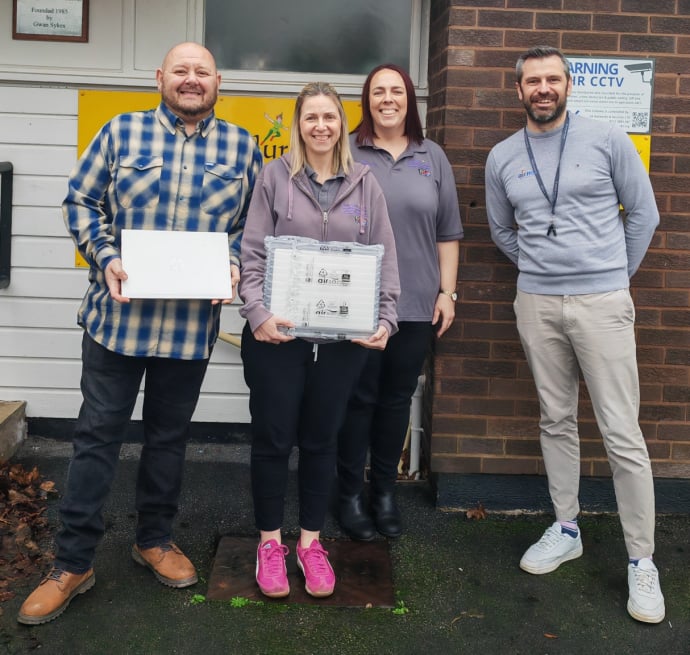
Thanks to Airnow Technology for the donation of 2 new laptops, saving us approximately £1000!!

Mobirise

The Fish Bank

Thank you to the Fish Bank in Sherburn in Elmet for raising money for us by selling bags in their shop.

Mobirise

Atlas FM

Huge thanks for Atlas FM's continued support.  Once again, they provided a free summer deep clean for our nursery.  

Location

Peter Pan Nursery
The Bungalow
Sherburn in Elmet
North Yorkshire
LS25 6DD

Opening Times

Monday - Friday
9.15am - 1.00pm
Term Time Only

Follow Us!

Mobirise

Volunteering Opportunities

Mobirise

Could you make a difference?

Charity Shop
We are looking for volunteers with good people skills to help run our busy charity shop, could you spare 2 or more hours each week? Training will be provided.  It involves sorting donations, pricing and displaying donations, cash handling, cleaning etc.

Nursery
We are looking for individuals who would love to support our qualified team at the nursery. You don't need to have a childcare qualification just a passion to support our children and offer them the opportunity to achieve their full potential. Full training will be provided.  We will also pay for the completion of a DBS.

Management Committee
Our voluntary management committee oversee and support our management team within the nursery. They make decisions together to help move the nursery forward in a positive way. They meet approximately 6 times a year and offer support at fundraising events when available. You need to be passionate about what we do, preferably with experience in either management, education or health care.

Gardening/Odd Jobs
Do you have some spare time and would be happy to come and weed, cut back bushes etc. at the nursery and/or charity shop.  Or perhaps you would be happy to do odd jobs, e.g. building flat pack furniture, painting, putting things up on the wall etc.

Fundraising
Would you be interested in joining our team to help out at ad-hock fundraising events, or calling round local businesses to request raffle prizes etc.  Or maybe you'd be interested in applying for grants for us? Training will be provided.

If interested in any of the above volunteering opportunities please
call Kay on - 01977 681863
or email - [email protected] 

Mobirise